Saving the Storefronts of 1831: Inside Naperville's Historic District
The Naperville Historic District holds 613 buildings under rules that decide what can change, what cannot, and who gets to say so.
East of downtown, Naperville keeps a second city inside itself. The Naperville Historic District — roughly bounded by Julian, Highland, Chicago, Jackson, Eagle and Fifth streets — contains 613 buildings, 544 of them contributing to the district's historic character. It was listed on the National Register of Historic Places in 1977, and it represents the town as originally platted, plus its earliest additions.
Listing on the National Register is an honor with limited teeth, so Naperville added its own layer: local landmark designation and preservation review. Changes visible from the street to protected buildings need approval, and the system gets tested whenever an owner proposes demolition or a major alteration — as it did when additions to the Old Nichols Library were proposed for demolition while the 1897 core was protected as a landmark.
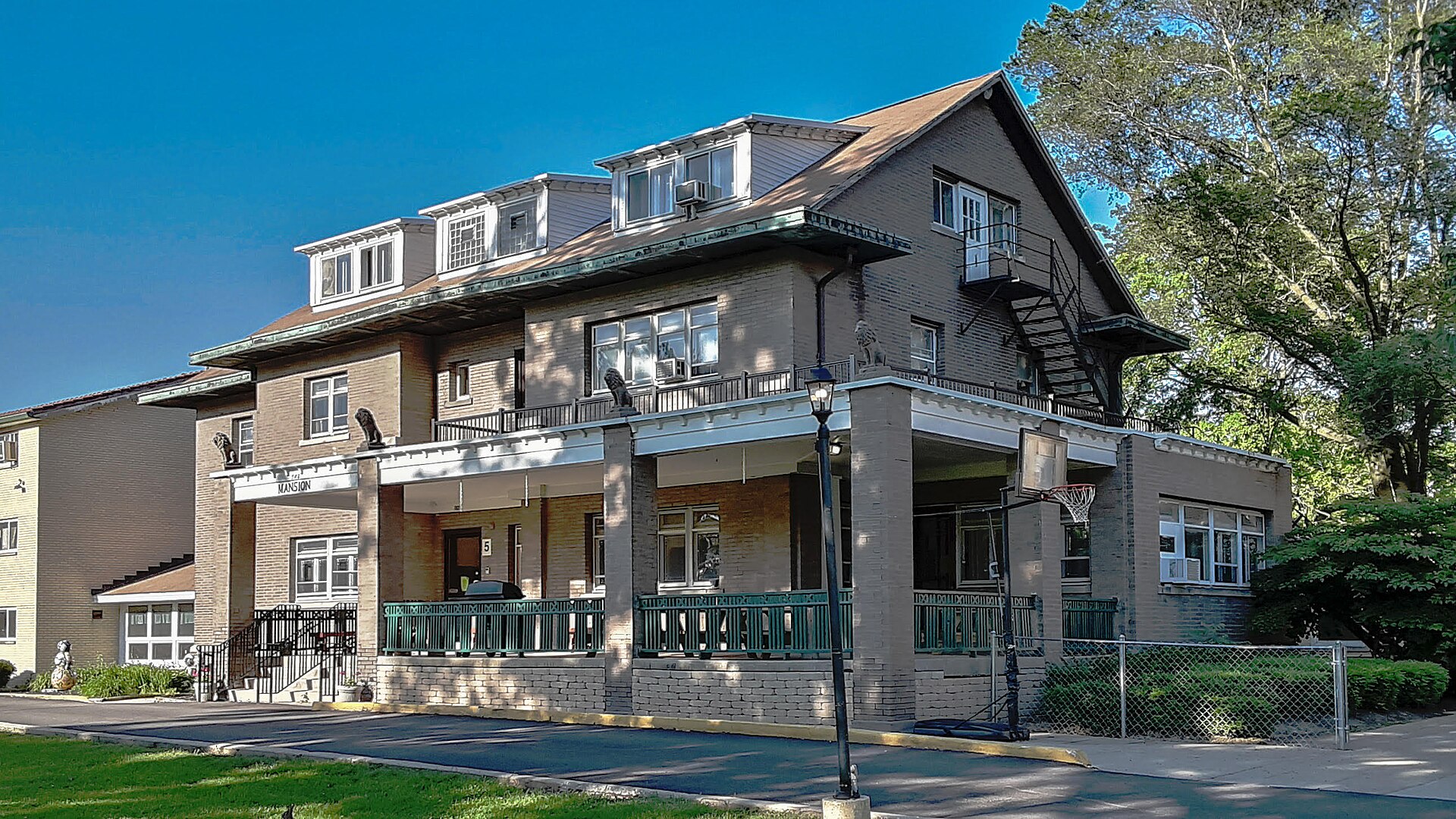
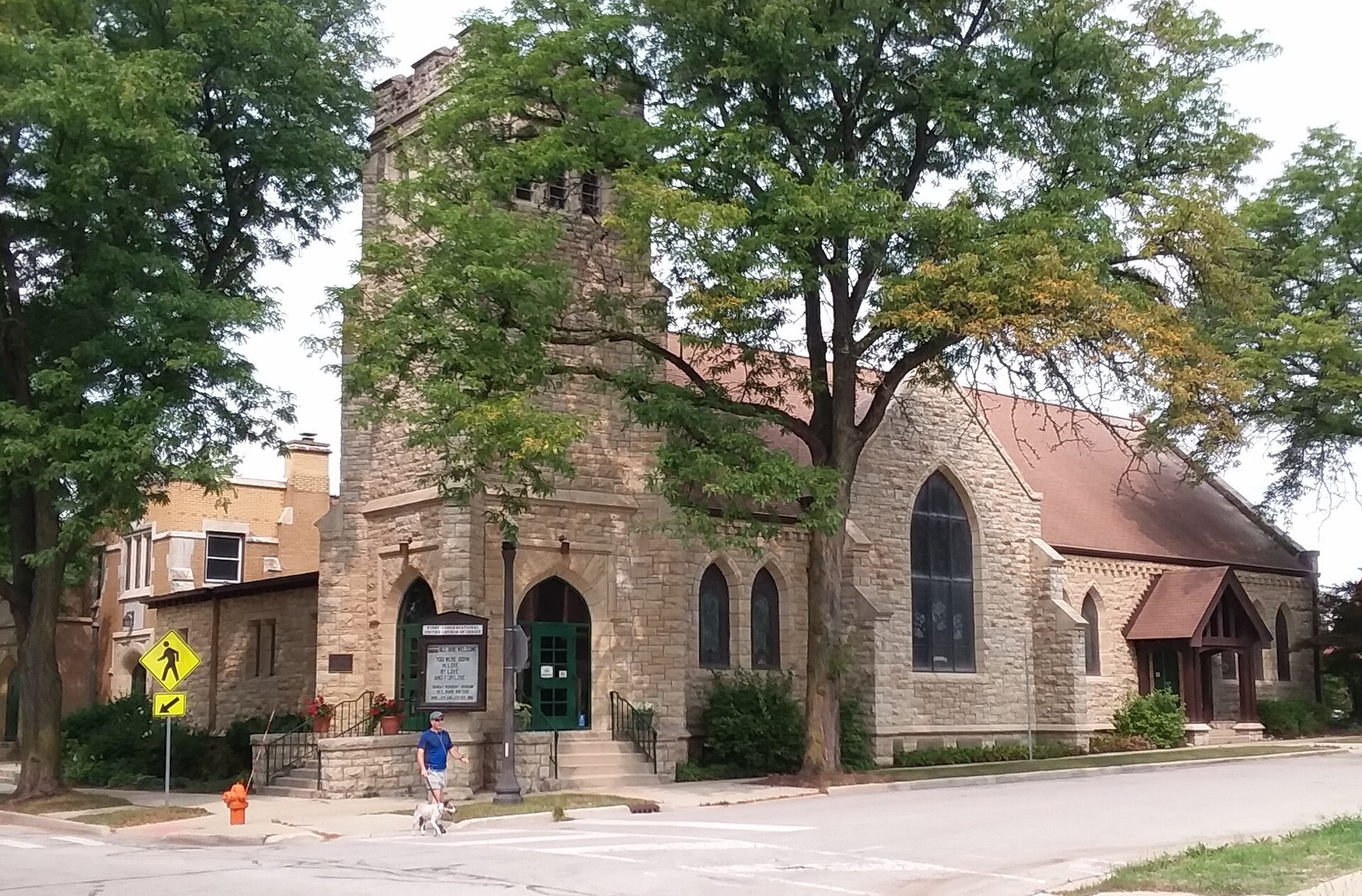
The district's buildings carry the city's biography in their walls. There is the P. E. Kroehler House on North Wright Street, built around 1915 for the president of Kroehler Manufacturing, once the second-largest furniture maker in the United States. There is the Nichols House of 1917, and the First Congregational Church of 1906 — recently designated a city landmark in its own right, the city's sixth and its only landmarked church.
The tension inside the district is permanent and healthy. Owners hold some of the most valuable residential land in DuPage County, a short walk from the train and the Riverwalk. Preservation rules exist because the market, left alone, would eventually trade the district's nineteenth-century streetscapes for larger houses — and once a limestone facade or a 1915 roofline is gone, no budget brings it back.
Our investigation going forward will track the paper: landmark applications, preservation commission votes, and demolition requests, house by house. The district survived nearly fifty years on the Register by deciding, building by building, what Naperville refuses to forget.